Meghalaya – A Journey Through the Seven Sisters of Northeast India
Saturday, 4th April 2026
View Post →
Saturday, 4th April 2026
View Post →
Saturday, 4th April 2026
View Post →
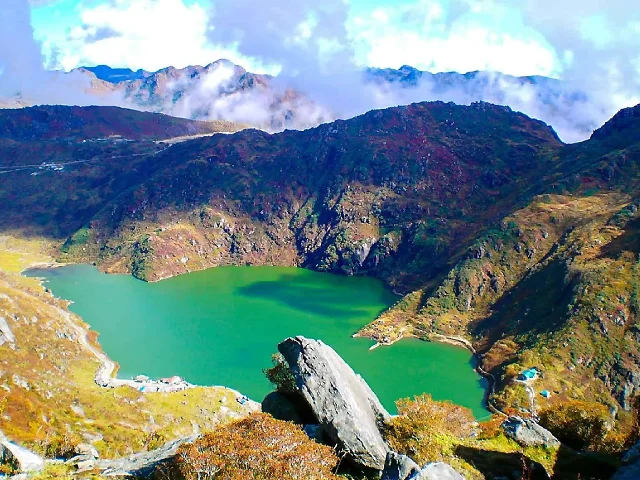
Friday, 3rd April 2026
View Post →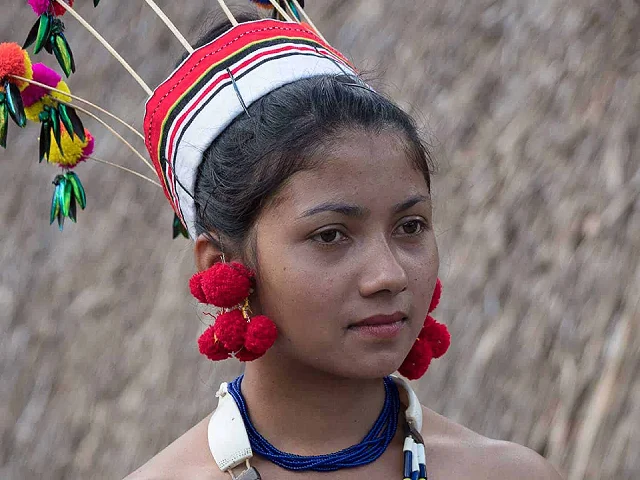
Monday, 30th March 2026
View Post →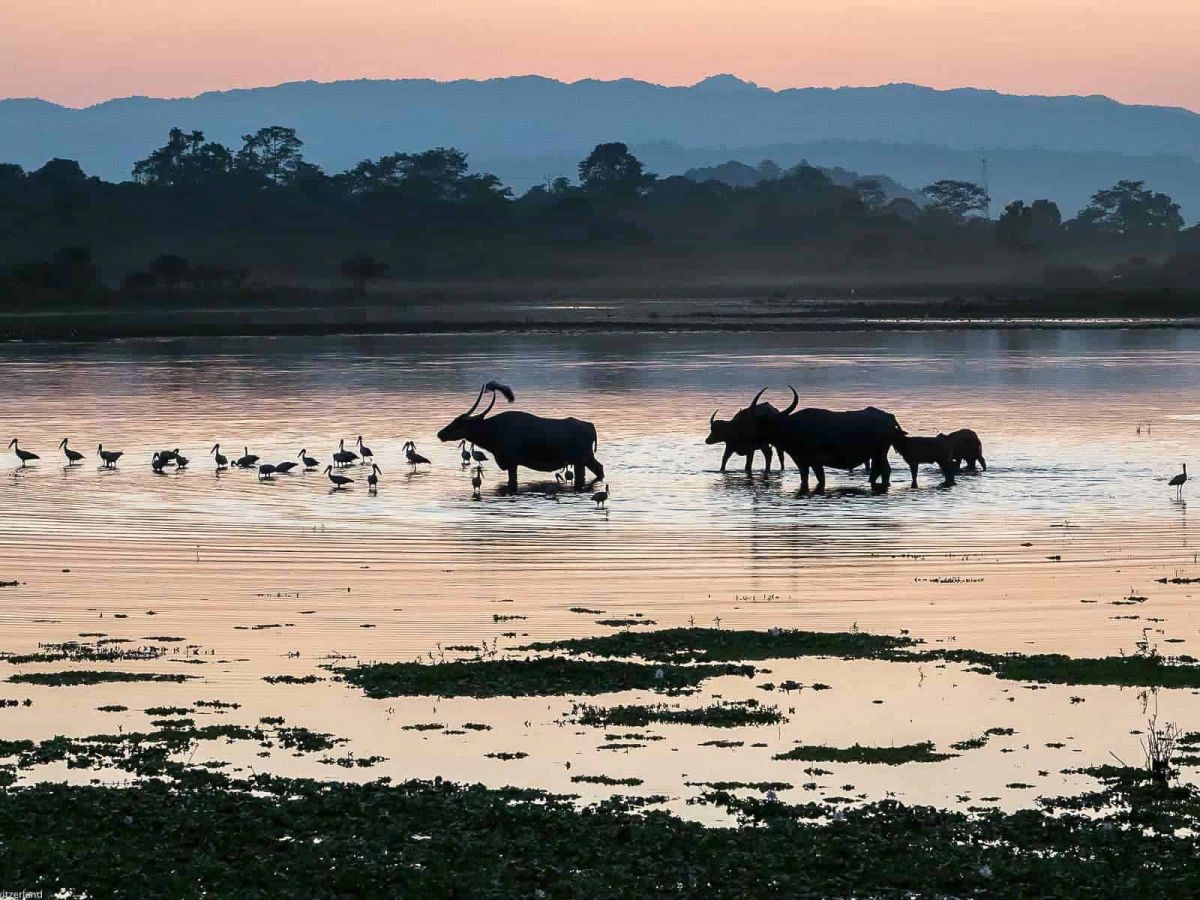
Saturday, 28th March 2026
View Post →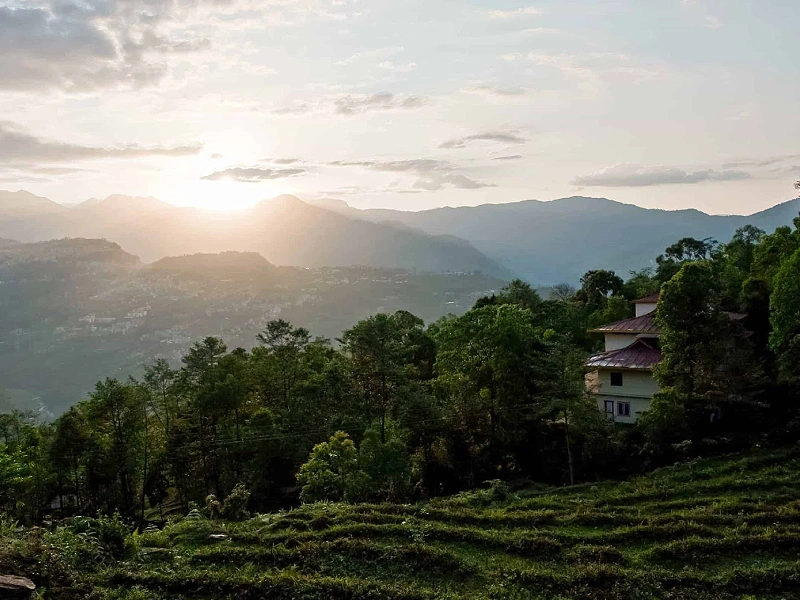
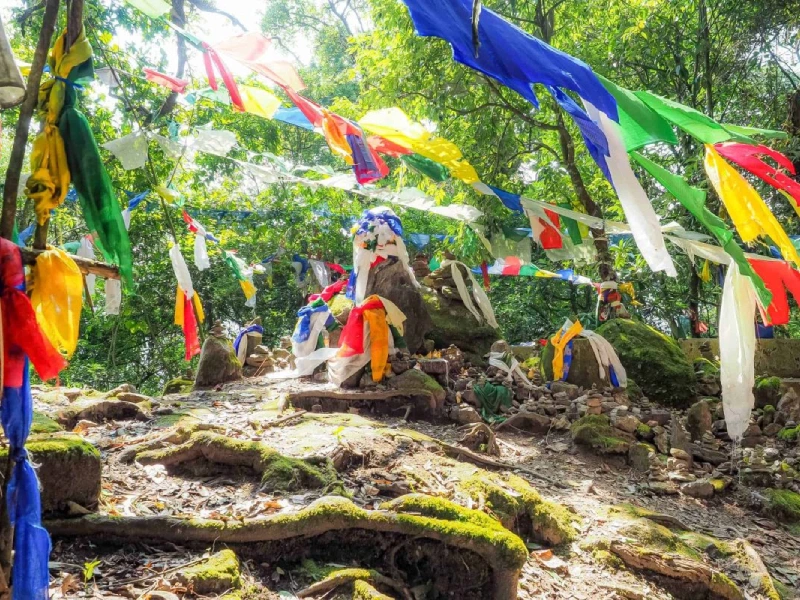
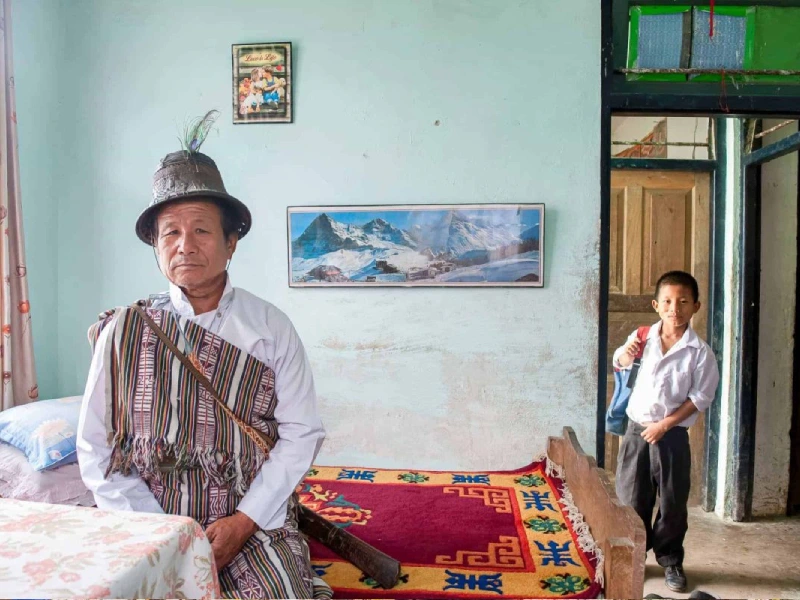
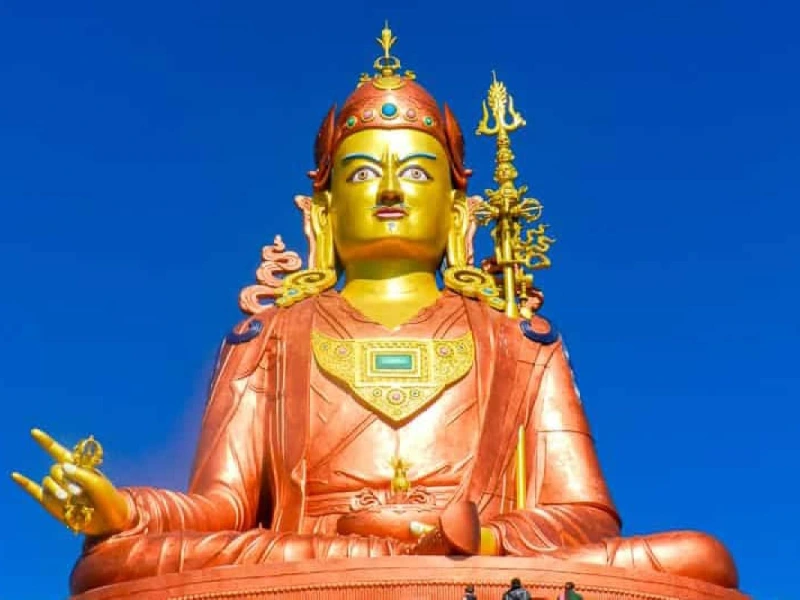
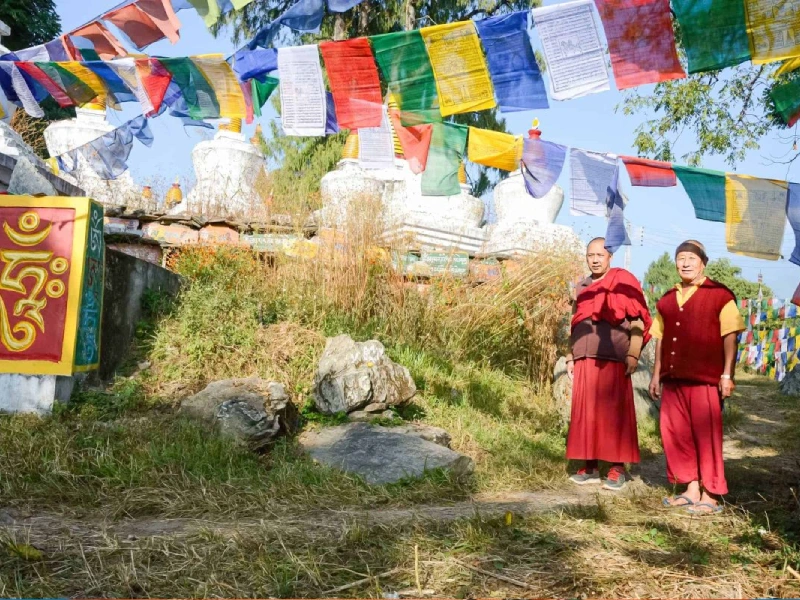
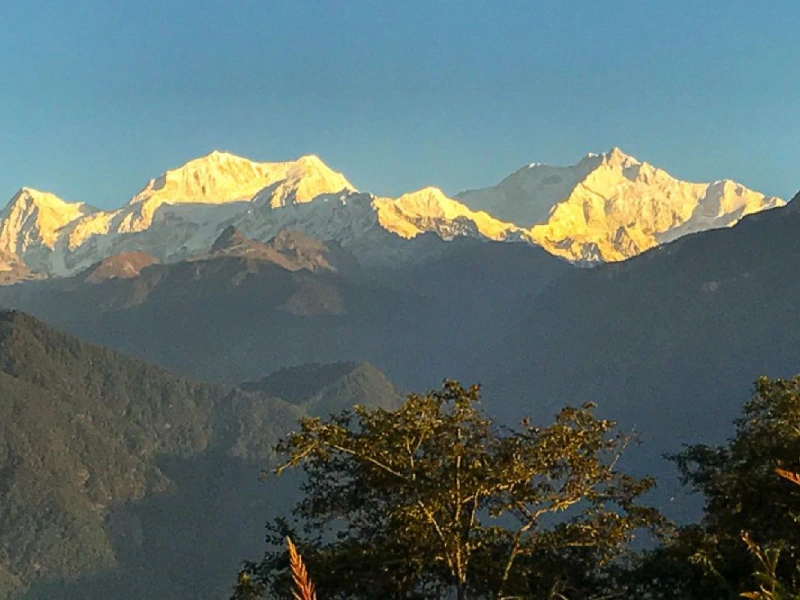
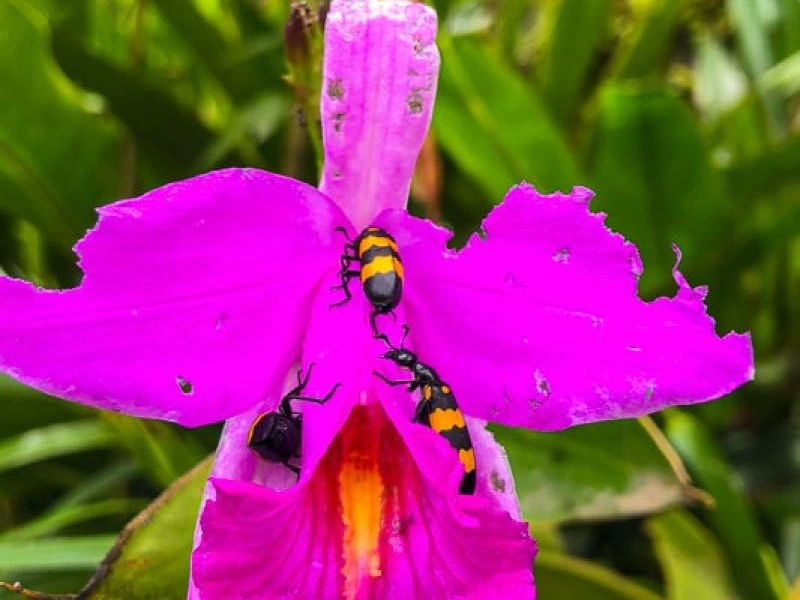
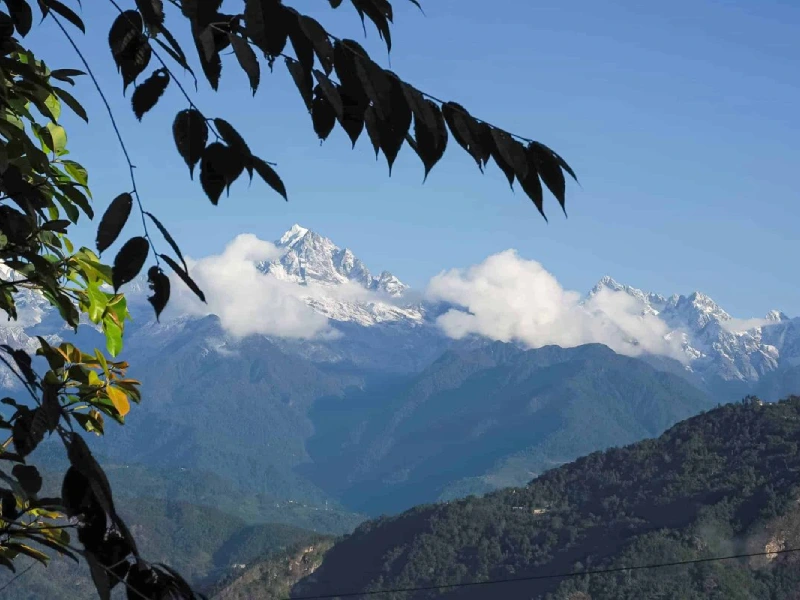
Sikkim was long regarded as one of the most inaccessible places in the world, the last Shangri-La. And rightly so: the former kingdom with its deep Buddhist roots inspires with its variety of mystical sights and natural treasures. Its fabulous diversity of flora and fauna is unique in the world due to the enormous differences in altitude in the smallest of spaces. Sikkim is also home to the third highest mountain in the world, Mt Khangchendzonga (8,585 m), which is worshipped by the people as a tutelary (spirit guardian) god.
Sikkim offers you a wealth of opportunities: Whether you are interested in foreign cultures, hill tribes, Buddhism, Tibetan monasteries, botany, ornithology, tea, trekking, mountaineering or cycling – Sikkim will captivate you forever.
We would be happy to advise you personally on planning your tour to Sikkim, other destinations in India and Bhutan and look forward to hearing from you.
For the Indian Himalayan regions of Sikkim, Kalimpong, Darjeeling and Bhutan, the best time of year is from March to May and from October to December. During the day, the weather is mostly pleasantly cool to warm. However, rain showers can occur at any time. The temperature difference varies greatly depending on whether you are in a valley or on a pass. For example, it can be around 28°C in the valley and around 16°C on the pass. It can get uncomfortably cold in the evenings and at night, especially when trekking at 2,500 m and higher. From mid-October and until the end of March, snowfall must be expected when trekking above 3,000 m
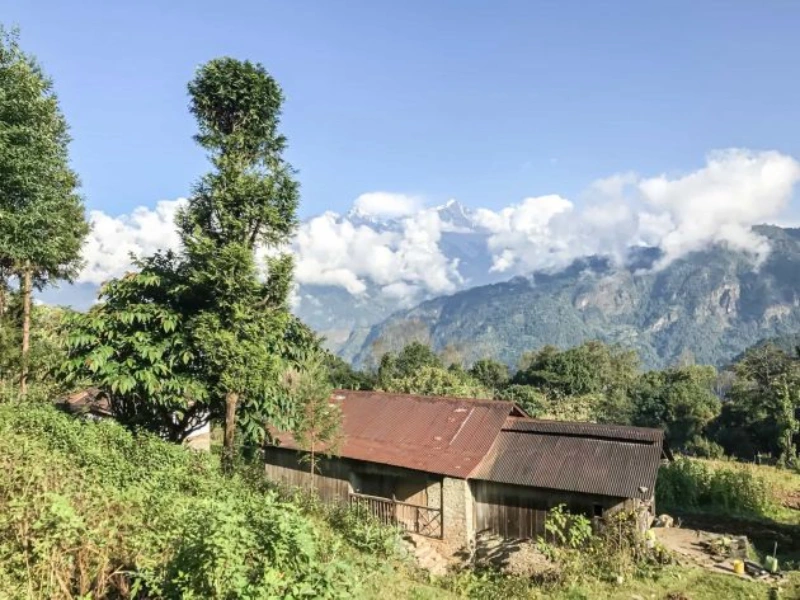
Spring is the best time of year to experience Sikkim’s diverse floral splendor. Dense, colorful and sweet-smelling forests give way to the rhododendron forests of the higher regions, which put on a fiery display of color. White flowering magnolia trees and subtropical trees in full, colorful bloom adorn the mountain slopes. Primroses, orchids and bougainvillea are in high season. From April, the landscape is lush and green. The rural population is busy sowing, cows and goats graze in the fields.
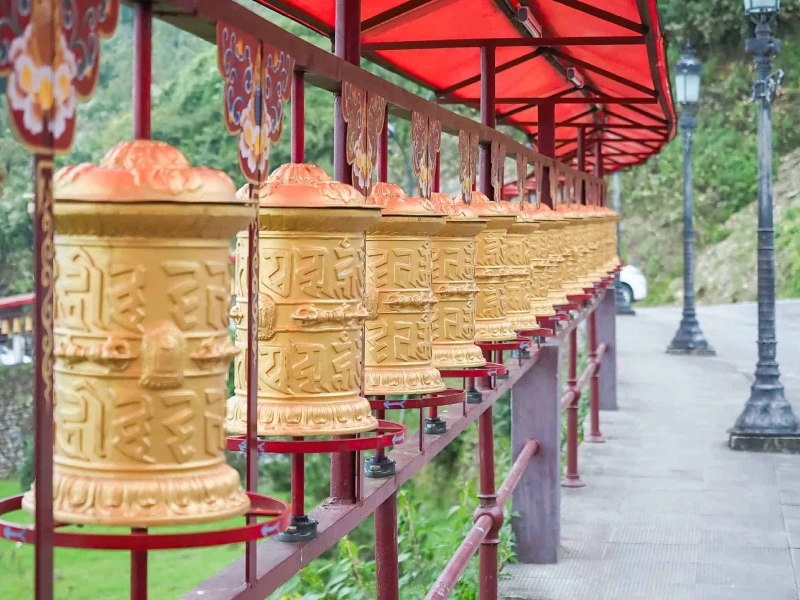
The monsoon brings Sikkim heavy rainfall and high humidity at temperatures of 20 to 30 degrees Celsius. The terraced rice fields are filled with water and the rice takes root. The north is spared from the monsoon and now unfolds its colorful alpine flora.
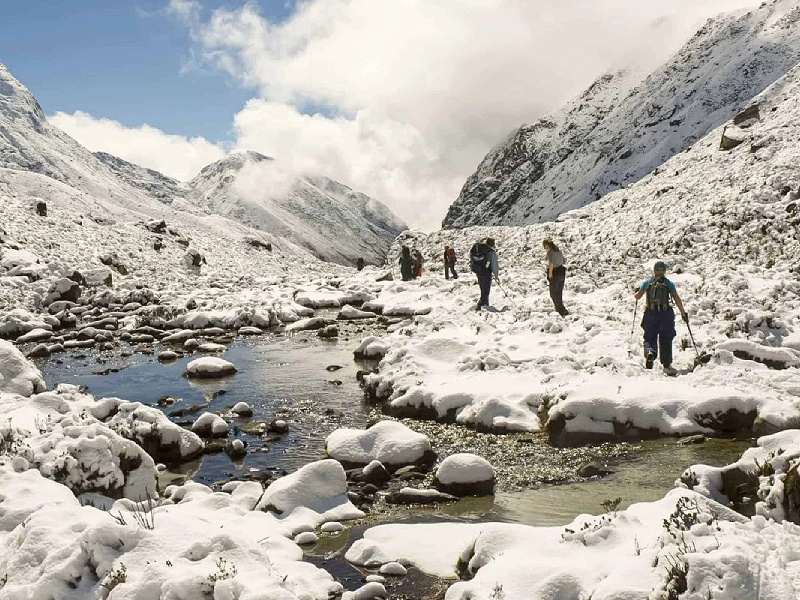
Autumn is the best time for hiking and trekking. The monsoon is over, the forests are green, while golden rice ripens in the fields. The mountain views are clear and the sun is usually shining. Autumn is also harvest time and colorful masked dance festivals take place during religious occasions.
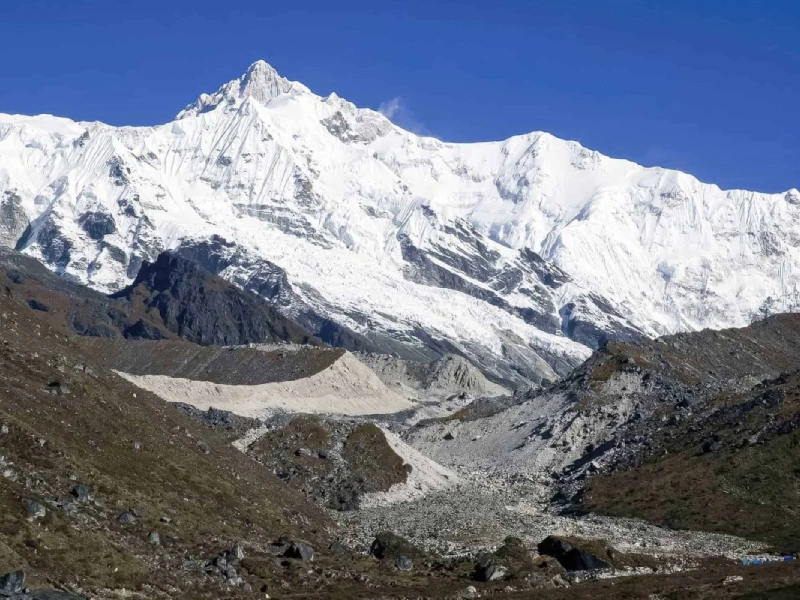
Cooler temperatures and often clear skies are good conditions for hiking in lower-lying regions. The Sikkimese (Loosung) and Tibetan New Year (Losar) are also celebrated during this time. Archery competitions and religious events are held.
Depending on the weather conditions, the temperature drops by around 0.5°C to 1°C for every 100 m of ascent and rises by an average of 0.5°C to 1°C for every 100 m of descent.
You can therefore use the table below to determine the temperatures you can expect during your tour and adjust your equipment and clothing accordingly.
Depending on the weather conditions, the temperature drops by approx. 0.5°C to 1°C per 100 m ascent and rises by an average of 0.5°C to 1°C per 100 m descent.
| Month | Jan | Feb | March | April | May | June | July | August | Sept | Oct | Nov | Dec | Year |
| Average maximum temperatures °C at 1,800 m | 12 | 13 | 18 | 21 | 22 | 22 | 22 | 22 | 22 | 21 | 18 | 14 | 19 |
| Average minimum temperatures °C at 1,800 m | 4 | 5 | 9 | 11 | 13 | 16 | 16 | 16 | 15 | 12 | 9 | 5 | 11 |
|
Average amount of precipitation in mm |
31 | 79 | 116 | 289 | 552 | 603 | 650 | 574 | 488 | 181 | 40 | 22 | 3626 |